
One platform. Many missions.
Edge AI, multi-modal sensing, and a mesh network engineered for the conditions where reliability matters most — wildfire country, contested borders, infrastructure corridors, and the ER doorway.
A field-ready digital ecosystem.
The mesh handles its own resilience. The edge handles its own inference. The cloud handles aggregation, correlation, and the human-facing tools your crews and commanders actually use.
Edge sensor network
LiDAR, thermal + optical imaging, environmental monitors (air quality, temperature, humidity), vibration / land-movement detection, acoustic + chemical sensing. Multi-link comms — LTE, 5G, WiFi HaLow, satellite — auto-failover across whatever path is available.
On-device inference
Models run at the sensor — fire / smoke signatures, methane and gas anomalies, vehicle and intrusion detection, vegetation classification, bird and wildlife species. Sub-second decisions. No round-trip dependency on the cloud.
Mesh & resilience
Devices form a self-healing mesh. If a node loses uplink, neighbors carry its traffic. Edge AI keeps running; data is queued and forwarded when connectivity returns.
Private cloud intelligence
Zero-trust communication layer, explicit-approval gate, multi-tenant from day one. Live event streaming, geospatial queries, and integrations with SAP, Oracle, and GIS — the operational tools your teams already use.
Operator portal & field apps
Live map, real-time event pulses, role-based access, task dispatch. Mobile PWA and AR / VR clients for crews on the ground. Offline-first sync for low-signal terrain.
AI decision engine
Cross-references live signals against historical baselines, weather, GIS context, and operational state to prioritize the alerts that actually matter. Reduces alert fatigue and surfaces leading indicators of failure.
Three independent layers of trust.
The same platform is deployable inside pipelines, defense perimeters, and HIPAA-regulated hospitals — without re-architecting per customer.
Identity
Every device carries a unique cryptographically-issued identity — not a shared key, not an IP address. Identity is the only thing the network trusts. Revoke one device without touching any other.
Communication
Zero-trust encrypted channels. No exposed ports, no implicit network trust. Every connection mutually authenticated and end-to-end encrypted, regardless of path. Default-deny everywhere.
Authorization
Explicit human approval. No device receives any credential without an admin click. No automatic trust based on network location, time, or hardware. Quarantine in one click.
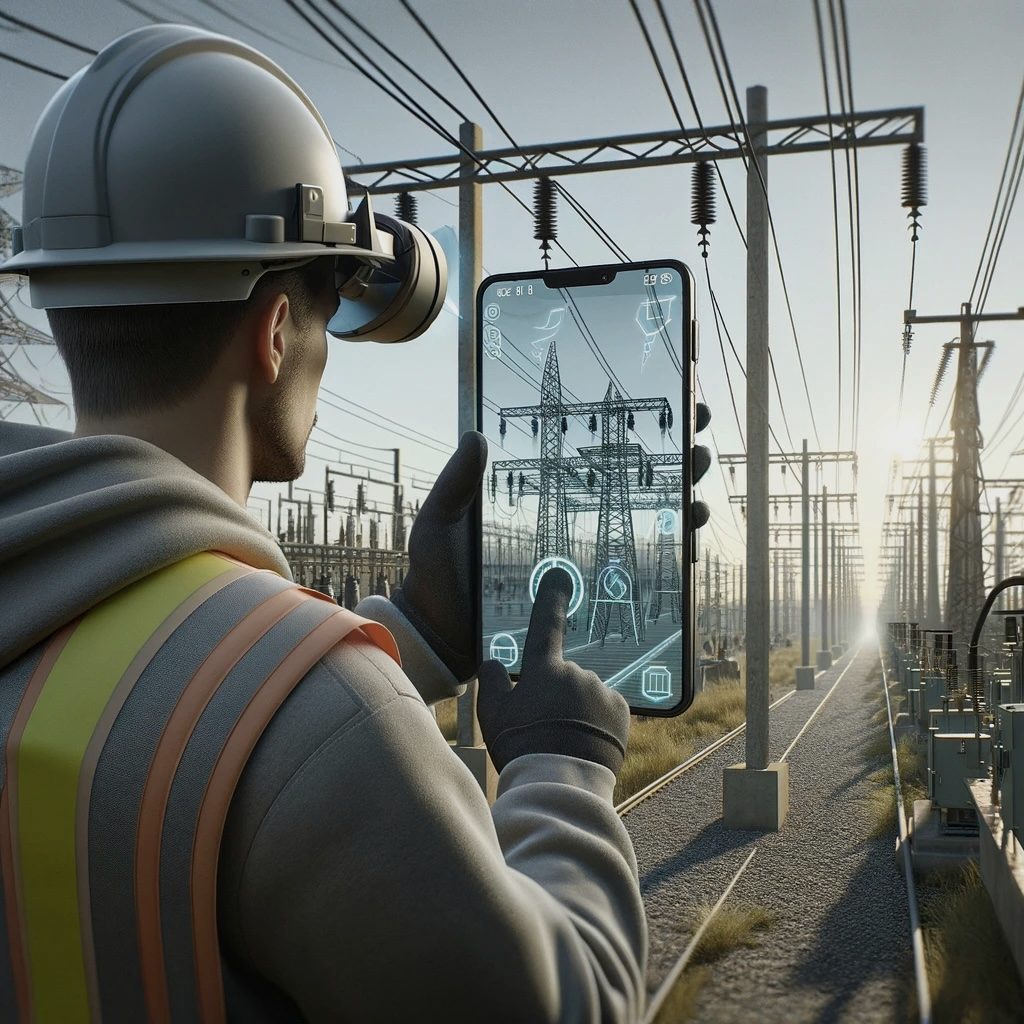
Operators see what the sensors see — overlaid onto the real world.
Decisions at the source. Reasoning above it.
Cloud-based AI is fine when latency, bandwidth, and connectivity are predictable. None of those things hold on a transmission corridor, a forward operating base, or a fire-prone canyon at peak demand. So we run two complementary AI tiers — edge for speed, cloud for nuance.
Each Overwatch node carries its own AI accelerator and a curated library of models. Inference happens in milliseconds at the source — the node decides, the alert fires, the cloud gets a summary, not a video stream. Above it, cloud-side vision and language models verify high-confidence detections, add species-level identification or behavioral context, and produce operator-friendly natural-language descriptions.
Multi-modal classification
Fire and smoke signatures, methane and gas anomalies, vehicle and intrusion classification, vegetation moisture, bird and wildlife species. Cross-referenced on-device to suppress false alarms.
Context-aware prioritization
Cloud-side engine cross-references live sensor data with weather, GIS, asset state, and historical baselines. Alerts that surface are the ones operators actually need to act on.
Versioned, audited rollouts
Models version with the fleet. Deploy to a pilot group, observe performance, promote to the broader fleet — without sending a tech to a remote node.
For verification, not detection
When an edge node fires a high-confidence detection, the cloud pulls a short clip and verifies with a vision LLM — adding species-level ID, behavioral context, or natural-language descriptions. Edge for speed; cloud for nuance.
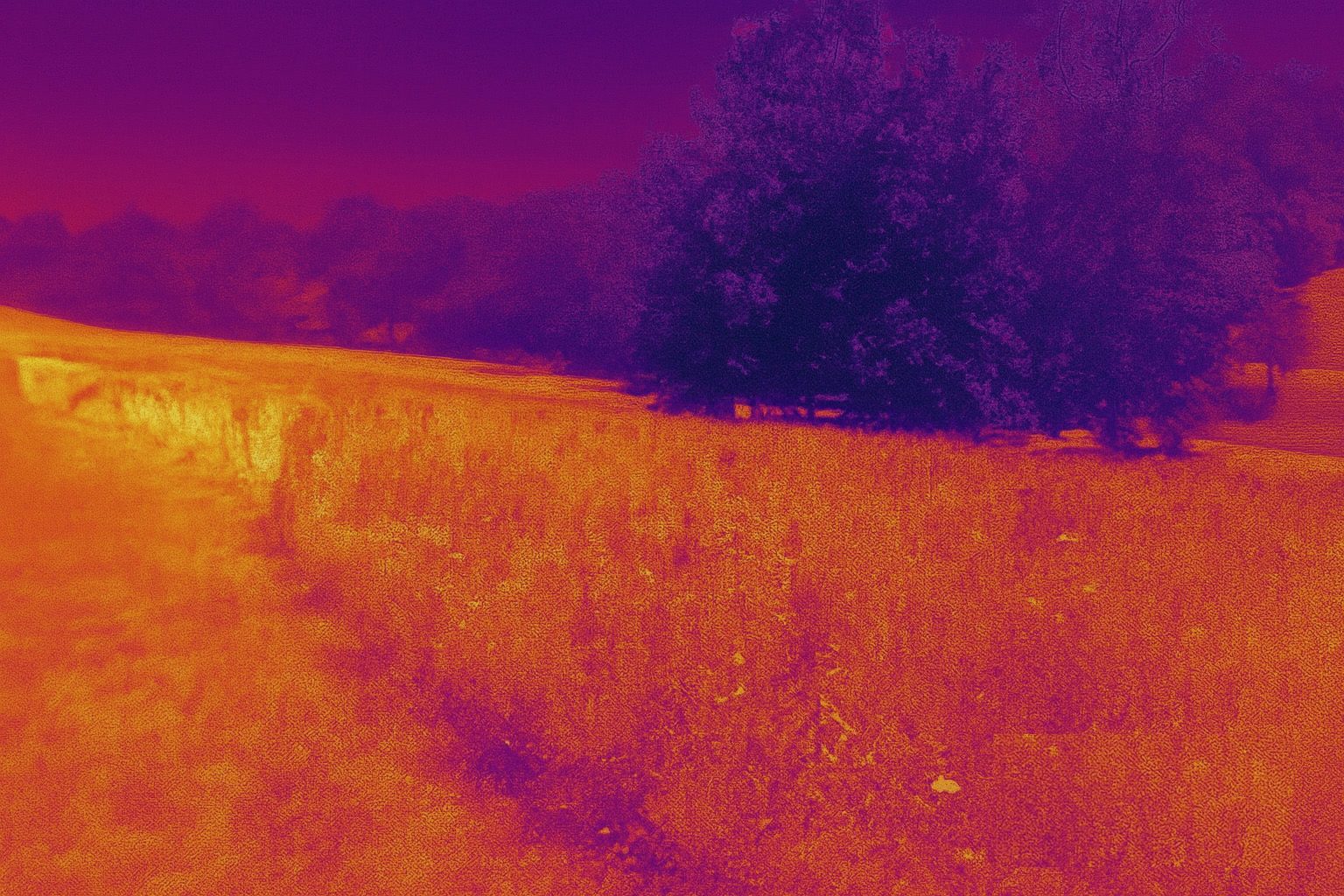
Visible light is only one channel. Thermal, acoustic, and chemical fill in the rest.
Protect the grid before it fails.
The US alone has more than 7 million miles of transmission and distribution lines — and most of it is monitored by static inspection on multi-year cycles. Overwatch closes that gap with continuous edge monitoring along the corridors and assets that matter most.
Transmission + distribution monitoring
Continuous structural and environmental monitoring along utility corridors. Detect vegetation encroachment, conductor strain, pole tilt, and intrusions before they cause outages.
Midstream pipeline corridors
Continuous multi-sensor watch over the right-of-way: methane and gas-leak signatures, slope and erosion monitoring, intrusion and theft detection, vegetation and wildlife health — all in one platform.
Substation + asset perimeter
Real-time intrusion detection, equipment health monitoring, and tamper alerts. Integrates with existing SCADA + GIS so alerts land in the workflow operators already use.
Inspection + documentation
AR-assisted field inspections, automatic asset tagging, voice-driven note capture. Reduces the time inspectors spend on paperwork and increases the consistency of what gets captured.
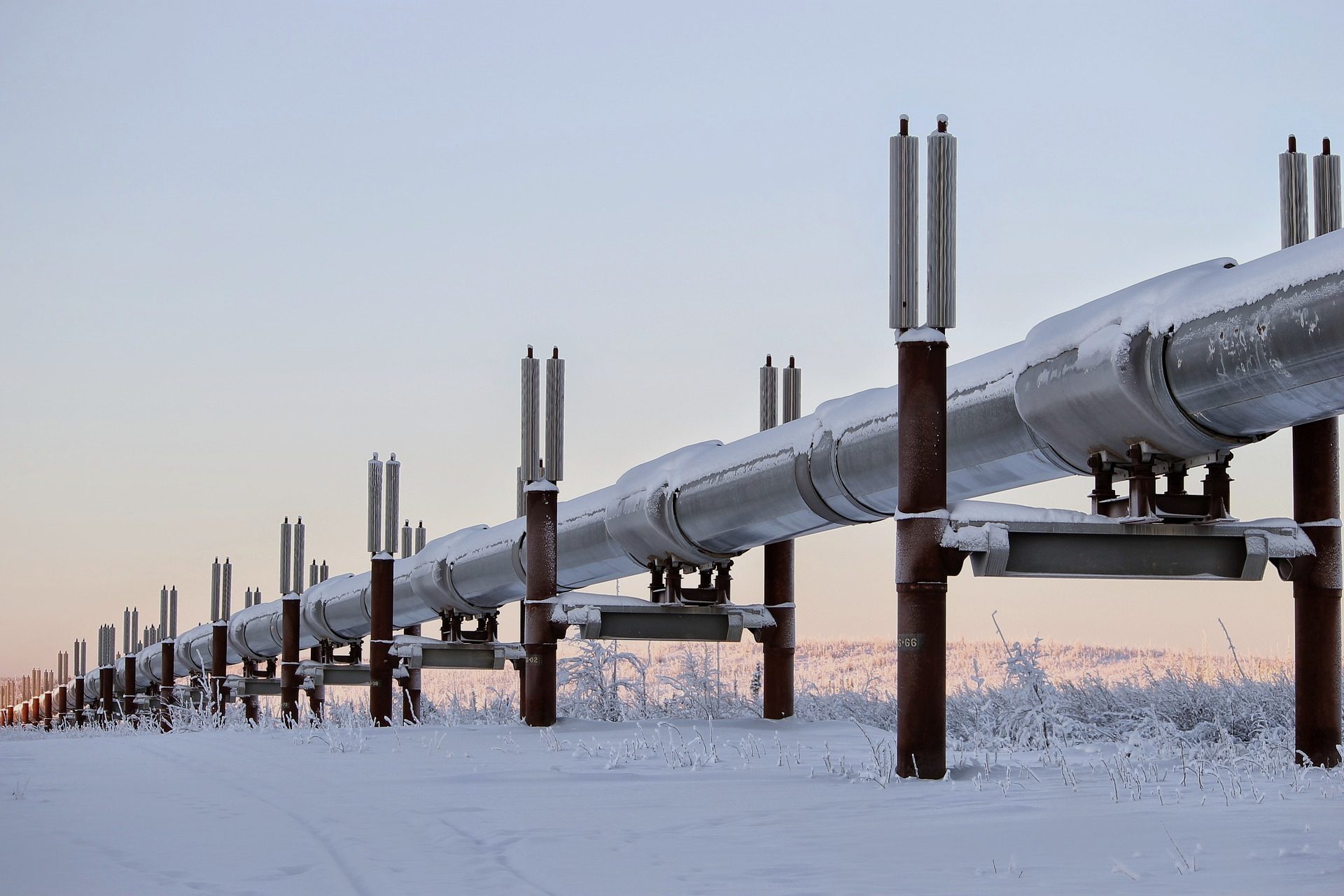
Live across pipeline corridors. Continuous monitoring where annual patrols can't reach.
Real-time awareness for contested environments.
Military and homeland security operations face the same intelligence gap as utility operators — only with higher stakes. Continuous edge monitoring, mesh resilience, and on-device inference engineered to work where cloud-based systems can't.
Base + perimeter awareness
Continuous edge monitoring of base perimeters and forward operating environments. Multi-modal sensors detect intrusion, drone activity, and unusual movement — even in GPS-denied conditions.
Communications-contested ops
Mesh networking and on-device inference mean operators retain real-time situational awareness when uplinks are jammed or degraded. The system continues to operate locally and resynchronizes when paths return.
Border + infrastructure protection
Long-range sensing along borders, pipelines, and critical infrastructure with low-power nodes that can run on solar in remote terrain.
Mission rehearsal + training
AR / VR overlays of real-world terrain and asset state, fed by live sensor data, give crews and commanders an immersive way to rehearse before deploying.
Spot ignitions before they spread.
A wildfire caught in the first 15 minutes can be contained with a single engine. A wildfire caught two hours later may need a hundred engines and an air operation — and may not be containable at all.
Multi-modal nodes detect smoke signatures, thermal anomalies, and vegetation moisture levels along high-risk corridors — utility right-of-way, parkland boundaries, urban-wildland interfaces — and route alerts to the dispatch systems response teams already use.
Detect
Multi-modal sensing: visible-light, thermal, smoke chemistry, acoustic. Cross-referenced on-device to reduce false alarms.
Verify
Live imagery + AR overlay delivered to dispatch and first-responder devices, so the team rolling out has eyes on before they arrive.
Dispatch
Direct integration with existing CAD + GIS systems. Alerts route to the same screens the dispatcher is already watching.
From raw signal to actionable insight.
The mesh handles its own resilience. The edge handles its own inference. The cloud handles aggregation, correlation, and the tools your crews and commanders actually use. Together they cut response time, reduce false positives, and give operators confidence in what they're looking at.